Men’s Suit Illustration for Embroidery Projects
As a designer who frequently works with machine embroidery designs, I’ve come across many digital assets that promise style but fall short when it comes to real-world stitching. The Men’s Suit - Professional Looking Fashion Illustrations, in Watercolor and Line Art from Beauty Amp caught my eye not just for its aesthetic appeal, but for how well it translates into practical use across a variety of embroidery projects. Whether you're an Etsy seller, a craft business owner, or simply a hobbyist looking to elevate your handmade product, this design has something to offer — but let's take a closer look at what it brings to the table and where it might need some careful handling.
A Fresh Blend of Style and Simplicity
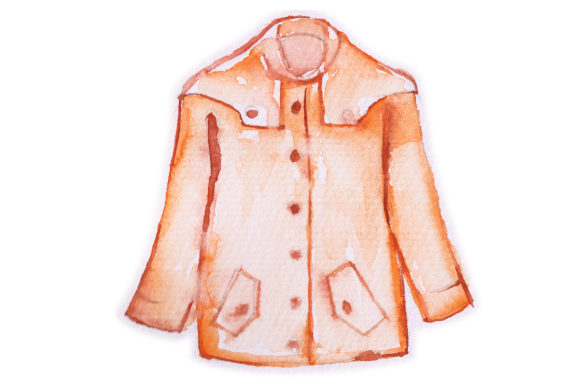
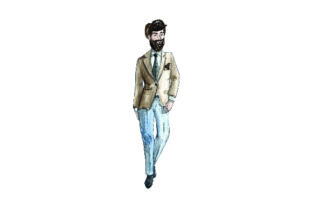
The Men’s Suit illustration is rendered in a soft watercolor palette with clean line art outlines. This combination creates a modern, artistic vibe while maintaining enough clarity to work well in stitch form. It feels professional without being overly formal, making it suitable for both personal and commercial applications. The layout is balanced, with a central figure and subtle shading that gives depth to the fabric-like textures of the suit. As someone who values visual personality in their design assets, I appreciate how this design conveys elegance and creativity simultaneously.
First Impressions: Mood and Theme
At first glance, the mood is refined and slightly whimsical — perfect for custom apparel like sweatshirts or tote bags meant to stand out in a boutique or craft fair setting. The theme is versatile; it can be interpreted as classic menswear for a vintage-inspired personalized gift, or as a contemporary fashion sketch for more avant-garde small shop products. The detail level is moderate, which means it won’t overwhelm the viewer, but still offers enough intricacy to feel premium.
Real-Life Embroidery Applications
I recently tested the Men’s Suit design on a few different custom apparel items to see how it would perform in actual use. Here are the results across various scenarios:
- Sweatshirt Embroidery: On a cotton-blend sweatshirt, the watercolor elements softened beautifully, especially when using pastel thread colors. The line art held up well under satiny stitches, giving the design a bold yet delicate presence.
- Tote Bag Design: Sticking this on a canvas tote worked flawlessly. The fill stitch covered the background effectively, and the running stitch details added movement to the design. Customers were immediately drawn to the piece at a local craft show.
- Embroidered Patch: When converted into a patch format, the design looked elegant and was easy to transfer to denim or felt. It made a great addition to a curated collection of handmade gifts and nursery decor.
- Baby Embroidery: I used a simplified version for a baby onesie, focusing on the silhouette and avoiding the most intricate parts. The result was charming and age-appropriate, proving the design can adapt to softer themes.
- Holiday Embroidery: For a holiday gift label, the line art stood out against a dark red fabric. With the right thread colors, it added a touch of sophistication to a festive item.
In each case, the design maintained its character and didn't lose definition due to stitch distortion. It’s clear that the artist behind this embroidery file thought about scalability and how color transitions will render in stitch form.
Where to Use It Carefully
While the Men’s Suit design is adaptable, there are certain situations where it needs extra attention to ensure success:
- Small Hoop Sizes: The design contains fine lines and subtle shading, so if you're working within tight hoop size constraints, consider simplifying or resizing the illustration to avoid losing key features.
- Textured Fabrics: The watercolor effect relies on smooth surfaces to maintain its softness. On fabrics like flannel or corduroy, the texture may interfere with the final look.
- Thin or Stretchy Fabric: Thin materials like rayon or stretch knits may cause the stitch density to pull or distort. Using the right stabilizer and adjusting tension accordingly is crucial.
- Dark Fabric Backgrounds: The watercolor effect fades slightly on darker bases. I recommend testing on black or navy before committing, especially if the visual appeal depends on contrast.
- Curved Surfaces: Placing this design on a cap or curved pillow cover requires thoughtful placement and possibly splitting the design into sections for better coverage.
- Dense Stitch Areas: The shading areas may become too heavy in fill stitch, so reducing stitch density slightly can help preserve the illustration's lightness and clarity.
These aren’t deal-breakers, but they’re important considerations for anyone planning to integrate this design into a wide range of commercial embroidery or personalized products.
Design Impact on Product Value and Customer Trust
One of the biggest wins with the Men’s Suit illustration is its ability to add a sense of professionalism and artistry to any finished product. In my experience, customers are more likely to trust and value handmade goods when they feature high-quality, cohesive visuals. This design helps build that trust by offering a polished appearance that suggests care and expertise in the creation process.
Its brand consistency potential is also strong. If you run a small shop focused on men’s lifestyle or fashion accessories, this could serve as a signature element across multiple items. From printable mockups to embroidered gift tags, the Men’s Suit illustration brings a consistent identity that customers can recognize and return to.
Visual Appeal and Stitch Clarity
Visually, the Men’s Suit is a standout. The watercolor effect adds dimension without requiring complex techniques, and the line art ensures that the shape remains clear even after stitching. The balance between detail and simplicity makes it ideal for both digital embroidery files and traditional hand-stitched accents.
When it comes to stitching clarity, the design performs admirably. However, if you plan to include tiny lettering or decorative accents (like buttons or collar details), you’ll want to inspect those areas closely during the test phase. Some of the finer strokes may require additional stabilization or a higher-quality hoop setup to prevent fraying or distortion.
Designer Notes and Best Practices
Before diving into production, here are some practical tips to keep in mind when working with the Men’s Suit design:
- Test on Scrap Fabric First: Especially if you're using a new thread brand or fabric type, always do a trial run. This allows you to catch issues early and make necessary adjustments.
- Check Thread Color Contrast: Choose thread shades that complement the original artwork while ensuring visibility on your chosen base fabric.
- Review Stitch Density: Lower density settings may work better for the shaded areas to keep them from overwhelming the rest of the design.
- Confirm Hoop Size: Depending on the scale you're aiming for, you may need to adjust the hoop size or split the design for smaller items.
- Inspect Small Details: Look closely at the hands, lapels, or other delicate parts. These areas may benefit from a separate satin-stitched overlay for emphasis.
- Use Proper Stabilizer: Especially for lightweight or stretchy materials, a tear-away or cut-away stabilizer can help maintain the design’s integrity post-embroidery.
- Test in Black and White Mockups: This helps determine whether the design will still have impact on monochrome backgrounds or in grayscale prints.
- Compare Light and Dark Fabrics: See how the design adapts in terms of contrast and vibrancy. You may find it works best on mid-toned materials.
- Confirm Licensing Before Selling: If you're planning to use this in commercial embroidery or digital resale, always verify the licensing terms provided by Beauty Amp.
Giftability and Market Fit
This design is highly giftable. Whether it's a personalized holiday gift, a wedding present, or a birthday accessory, the Men’s Suit illustration brings a unique flair that stands apart from generic patterns. It’s particularly fitting for niche markets such as:
- Apparel Decorators creating bespoke looks for clients
- Creative Entrepreneurs selling fashion-forward embroidered patches
- Craft Fair Vendors showcasing small shop products with a handmade edge
- Handmade Makers designing pillow covers or kitchen towels with a stylish twist
Its artistic nature makes it ideal for digital product previews and printable mockups, helping buyers visualize the finished product before purchase.
Final Thoughts for Designers and Sellers
The Men’s Suit - Professional Looking Fashion Illustrations, in Watercolor and Line Art is a design that bridges the gap between artistic expression and functional embroidery. Its versatility and visual richness open doors to a wide range of craft business opportunities, from custom apparel to personalized gifts. But like all good designs, it rewards those who take the time to understand its strengths and limitations.
If you're considering adding this to your collection of embroidery project templates, I recommend experimenting with a few sample placements. Try it on a sweatshirt embroidery design, a tote bag, or a cap to see how it behaves. Once you’ve done that, you'll likely find it fits naturally into your creative workflow — as long as you give it the respect it deserves through proper preparation and execution.