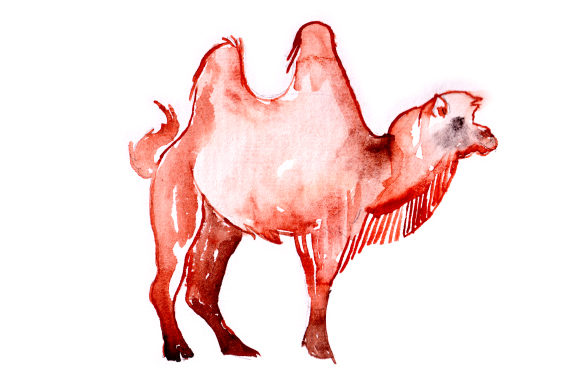
Camel in Watercolor: A Versatile Animal Graphic for Creative Sellers
As a seasoned digital product creator, I’m always on the lookout for graphic design assets that can elevate an online shop while maintaining broad appeal. The Camel in Watercolor caught my eye recently, and after testing it across multiple platforms and products, I wanted to share a practical review of its potential for commercial use.
First Impressions and Visual Personality
The Camel in Watercolor has a soft, whimsical aesthetic that immediately suggests a cozy or artisanal vibe. It’s hand-drawn with visible brush strokes, giving it a natural, organic feel rather than a rigid digital look. This kind of illustration is perfect for small business branding or handmade shops that want to project warmth and creativity.
Visually, the camel feels approachable and playful—ideal for niches like children's room decor, travel-themed collections, or desert-inspired crafts. The watercolor technique also adds a touch of elegance, making it suitable for more premium offerings such as wall art or luxury packaging designs. Overall, it strikes a balance between artistic charm and commercial viability.
Real-World Product Applications
Let’s talk about how this asset could realistically be used in your creative marketplace listings:
- SVG Products: The Camel in Watercolor works well as an SVG file for Cricut projects. Its clean lines make it easy to cut out from cardstock, felt, or vinyl for stickers, decals, and scrapbooking elements.
- PNG Designs: When exported as a PNG, the transparency allows for seamless integration into backgrounds. I’ve tested it on mockups for tote bags and mugs, where it retained its softness without bleeding into colors.
- Clipart Bundles: If you're curating a design bundle focused on animals or nature themes, this camel makes a great addition. Pair it with other desert creatures or travel-related graphics to build a cohesive set.
- Sublimation Designs: The watercolor effect translates beautifully onto sublimation blanks like tumblers, phone cases, and apparel. Just ensure you test color accuracy on different materials before publishing.
- Printable Wall Art: This camel illustration has enough detail and visual interest to stand alone as a decorative piece. Use it in a minimalist layout for a modern look or add a few complementary animal illustrations for a themed collection.
- Planner Stickers: The style fits perfectly into bullet journaling and planner kits. Its gentle tones don’t overwhelm layouts and can serve as a fun accent for travel goals or desert-themed spreads.
- Greeting Cards and Invitation Templates: Whether it's a birthday card or a baby shower invitation, the Camel in Watercolor brings personality and a subtle sense of adventure.
- T-Shirt Graphics and Merchandise: For print-on-demand sellers, the camel illustration can work best on light-colored fabrics. Dark backgrounds may require some tweaking to preserve contrast.
- Nursery Prints and Seasonal Collections: Especially if you're targeting parents looking for unique nursery themes, the camel can pair well with palm trees, cacti, and sand dunes for a desert oasis feel.
Design Presentation and Listing Optimization
When preparing an Etsy listing or any creative marketplace page, the presentation matters just as much as the design itself. Here are a few tips based on my experience using Camel in Watercolor:
- Mockup Previews: Always create a couple of mockups to see how the design looks on real products. Test it on a white background t-shirt and a dark-toned mug to gauge visibility and vibrancy.
- Thumbnail Appeal: The camel should appear large enough in thumbnails to catch attention. Avoid overloading the preview image with too many elements; let it breathe.
- Listing Images: Use high-quality images showing the design in action. For digital downloads, show layered files or variations (like line art and full-color) to highlight value.
- Product Bundles: Think about grouping this asset with similar ones—maybe a “Desert Animals” or “Adventure Travel” pack. Buyers love curated sets that offer variety and theme consistency.
- Brand Consistency: If your shop focuses on hand-painted or watercolor-style content, this illustration aligns well with your brand identity. Use it alongside matching fonts and color palettes to maintain visual harmony.
- Visual Storytelling: The camel can help tell a story in your product lineup. For example, a collection titled “Journey Through Nature” could feature it as a central character next to elephants, giraffes, or camels.
- Customer Trust: By showcasing the Camel in Watercolor clearly and professionally, you communicate quality and attention to detail. That’s crucial for building trust with buyers who may not have seen the final product yet.
- Perceived Value: A well-presented watercolor illustration can suggest a higher-end product, especially when paired with elegant typography and thoughtful layout choices.
- Click-Through Potential: Strong thumbnail visuals increase the likelihood of clicks. Make sure the camel stands out in your previews and isn’t lost in a cluttered composition.
Where This Asset Shines
Here are the top areas where I believe the Camel in Watercolor excels:
- Large Product Previews: The soft watercolor details come alive on bigger canvases. Use it as a hero image in printable posters or as a focal point in greeting cards.
- Themed Bundles: Group it with other animal illustrations or desert motifs for a cohesive and marketable package. Themed bundles often sell better than single files.
- Decorative Layouts: The camel’s flowing colors make it ideal for adding depth and texture to otherwise flat or minimalistic designs.
- Printable Products: From wall art to calendars, this design offers a nice balance between detail and simplicity. It doesn’t get lost in scaling and retains its charm at various sizes.
- Merchandise Graphics: On t-shirts, mugs, and tumblers, the camel illustration can be a subtle but memorable element, especially if you keep the rest of the design clean.
- Social Media Promos: Use it in Instagram posts, Pinterest pins, or Facebook ads to visually reinforce your shop’s niche or seasonal focus.
- Product Mockups: High-res mockups with this design can showcase the watercolor’s delicate edges and shading effectively, helping customers visualize the final product.
- Digital Downloads: As a standalone clipart or part of a Canva template, it adds a professional and polished look to customer-facing products.
- Creative Marketplace Listings: On Etsy, Creative Fabrica, or Shopify, the camel illustration helps your listings stand out without being overwhelming.
Where Caution Is Advised
While versatile, there are a few scenarios where this asset might need extra care:
- Tiny Sticker Details: At smaller sizes, the watercolor textures may lose clarity. Be cautious when using it for mini stickers or intricate paper crafts.
- Overly Complex Layouts: If your design already has a lot going on, adding this camel could risk clutter. Use it as an accent rather than the main subject.
- Low-Resolution Print Products: Ensure you’re using high-resolution versions of the design to avoid pixelation in printed items.
- Crowded Thumbnails: Don’t overload your listing images. Let the camel be the star instead of hiding it among too many other elements.
- Dark Backgrounds: While it can work on darker tones, you’ll need to adjust brightness or layer it with a subtle white stroke to improve visibility.
- Weak Contrast: If the camel is placed against a similarly colored background, it may become difficult to see. Consider using a contrasting border or background to frame it properly.
- Text-Heavy Templates: In designs where text dominates, the camel should be secondary. Too much visual competition can reduce its impact.
- Clean Cutting Lines: For precise Cricut or Silhouette cuts, double-check the SVG file. Some brush strokes may translate into uneven edges if not optimized correctly.
Practical Seller Tips
To ensure the Camel in Watercolor works well in your shop, follow these actionable steps:
- Test the Design on Real Mockups: Use free tools like Placeit.net or Smartmockups.co to simulate how it appears on actual products.
- Preview as a Marketplace Thumbnail: Upload it to a sample Etsy listing and see how it looks at 300x300 pixels. Adjust size and placement accordingly.
- Check Background Compatibility: See how it looks on both white and dark backgrounds. You might need to tweak the colors slightly for optimal contrast.
- Test Print Colors: If selling physical products, print a sample to verify that the watercolor hues translate accurately to fabric or paper.
- Verify PNG Transparency: Make sure the PNG version doesn’t have unwanted borders or artifacts around the camel’s shape.
- Inspect SVG Cut Quality: Open the SVG in Cricut Design Space or Silhouette Studio and check for clean, accurate paths—especially important for sticker or decal projects.
- Confirm File Resolution: For printables, aim for at least 300 DPI. Lower resolutions may compromise quality, especially in larger formats.
- Organize Files Clearly: If including it in a digital download, provide separate layers or transparent overlays so customers can customize easily.
- Pair With Fonts: The camel illustration pairs nicely with serif fonts for a classic look, sans serif for modernity, script or handwritten styles for a personal touch, and display fonts for bold statements.
- Commercial Licensing: Always confirm that the designer allows resale, redistribution, and commercial use. No matter how great the asset looks, legal issues can sink your product launch.
Final Thoughts for Digital Product Creators
The Camel in Watercolor is a solid graphic design asset for those who want to add a touch of artistry to their product lineup. It’s particularly useful for shops leaning into nature, travel, or animal-centric themes. However, like all design assets, it needs to be handled thoughtfully. Test it thoroughly before publishing, and consider how it complements your overall brand and product strategy.
If you're aiming to create a collection that feels authentic and professional, this illustration can be a valuable piece of your toolkit. Just remember to evaluate its performance across your target products and adjust as needed for clarity, contrast, and usability.