Clownfish - Watercolor: A Fresh Design Asset for Australian Branding
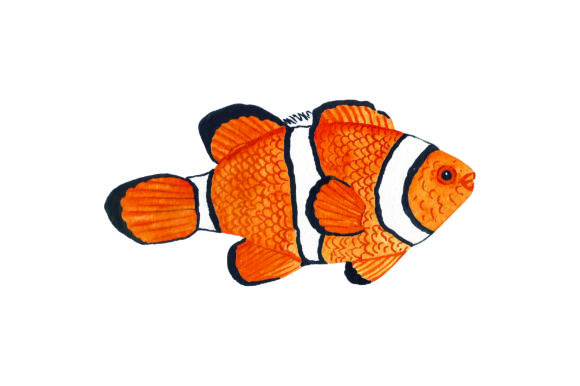
As a brand designer and content marketer with years of experience in crafting compelling visual identities, I always look for design assets that strike the perfect balance between creativity and professionalism. Recently, I had the opportunity to review Clownfish - Watercolor, an illustration that caught my eye not just for its aesthetic but for its potential in real-world marketing applications. This piece feels like it was inspired by the vibrant marine life of Australia, offering a versatile and expressive graphic design asset that could serve a wide range of creative needs.
A Playful Yet Professional First Impression
The first thing that stands out about Clownfish - Watercolor is its soft, hand-painted quality. The watercolor technique gives the clownfish a sense of fluidity and warmth, which immediately evokes a relaxed, organic mood. It’s not overly detailed or digital, yet it maintains a level of polish that makes it feel appropriate for both lifestyle branding and commercial use. The gentle brushstrokes suggest a handmade approach, aligning well with brands focused on authenticity, nature, or artisanal products.
This emotional tone makes the design suitable for casual branding, such as wellness businesses, eco-friendly product lines, travel agencies promoting tropical destinations, or even food and beverage brands with a laid-back vibe. However, it also holds up in more premium contexts if used thoughtfully—especially when paired with clean typography and minimal backgrounds.
Real-World Marketing Applications
I tested Clownfish - Watercolor in various mockups to see how it would perform across different touchpoints. Here's what I found:
- Social Media Graphics: The design worked beautifully in Instagram posts and Pinterest pins. Its whimsical nature added visual interest without overwhelming the viewer. For seasonal promotions, especially around holidays or events like Earth Day or World Oceans Day, this asset brought a fresh, engaging energy.
- Packaging Inserts: When placed subtly in packaging inserts for a hypothetical eco-conscious skincare line, the clownfish helped reinforce the brand’s connection to natural ingredients and ocean-inspired aesthetics. It didn’t distract from the main message but instead created a cohesive theme.
- Digital Ads: In Facebook ad headers, the watercolor style stood out against competitors using flat vector illustrations. The soft colors helped create a calming effect, which is great for brands aiming to build audience trust through subtle storytelling.
- Blog Headers & Website Banners: Used in a blog post about sustainable living near coastal areas of Australia, the clownfish header instantly connected with the subject matter. It supported the brand’s narrative while maintaining a professional appearance.
- Email Campaigns: When integrated into a newsletter banner for a small business selling handmade swimwear, the asset helped establish a stronger first impression and improved open rates due to its unique charm.
Supporting Stronger Visual Communication
Incorporating Clownfish - Watercolor into a campaign can significantly enhance visual hierarchy. Because of its distinct shape and color, the fish naturally draws attention to key elements of the layout—whether it's a call-to-action button, a headline, or a product image. This helps guide the viewer’s eye and improves engagement, especially in designs where multiple messages are competing for attention.
For brands aiming to stand out in crowded markets, this illustration can contribute to consistent branding and stronger recognition. Repeating the clownfish in different sizes and positions across social media, packaging, and email banners creates a familiar motif that builds emotional connection over time. It’s particularly effective for businesses targeting younger audiences or those in the lifestyle, travel, and creative industries.
Where This Design Shines
Here are some specific scenarios where Clownfish - Watercolor excels:
- Hero Graphics: As a focal point in hero sections of websites or landing pages, the clownfish adds a memorable visual element that ties back to nature and adventure.
- Product Launches: When launching a new line of reef-safe sunscreens or Australian-made beach accessories, the illustration reinforces the product’s origin and purpose effectively.
- Branded Templates: Included in Canva templates for bloggers or content creators, it offers a ready-made way to elevate their editorial graphics with a personal, artistic flair.
- Promotional Banners: Especially for event flyers or posters advertising underwater photography workshops or marine conservation talks, this asset brings a thematic consistency that enhances the overall message.
- Merchandise & Stickers: The design translates well into SVG format for merchandise like tote bags, mugs, or stickers. It’s eye-catching yet simple enough to be scalable and recognizable at smaller sizes.
When to Use with Caution
While Clownfish - Watercolor is a strong addition to most design kits, there are situations where it might not be the best fit:
- Formal Corporate Branding: The playful nature of the illustration doesn’t suit highly formal or traditional industries like finance, law, or enterprise software.
- Dense Information Layouts: If your design requires tight spacing or complex data visualization, the watercolor texture may add unnecessary noise.
- Small Mobile Graphics: On mobile screens, the intricate brushwork might become less clear. Always preview it in context to ensure readability.
- Low-Contrast Backgrounds: The soft palette works best when contrasted with solid colors or gradients. Placing it on white or very pale backgrounds can make it lose impact.
- Minimalist Brands: If your brand relies on extreme minimalism, this asset could feel out of place unless intentionally designed to complement the overall style.
- Text-Heavy Ads: Avoid using it in ads where large blocks of text are necessary. Let it support the message rather than compete with it.
Practical Designer Tips for Integration
To maximize the value of Clownfish - Watercolor in your workflow, consider these practical steps:
- Test with Your Brand Palette: Import the PNG or SVG file into your current project and overlay it with your primary and secondary brand colors. Does it blend seamlessly or pop appropriately?
- Check Black & White Usage: Print materials often require grayscale versions. Confirm whether the watercolor details still hold up when desaturated.
- Place in Real Campaign Mockups: Use tools like Adobe XD or Figma to place the illustration within actual layouts. See how it interacts with other design elements and copy.
- Preview on Mobile Screens: Test how the design looks on smartphones, especially in Instagram Stories or app banners where space is limited.
- Review Readability in Small Sizes: Ensure the clownfish remains legible when scaled down for social media avatars or lead magnet thumbnails.
- Pair with Fonts: Try combining it with serif fonts for a classic look, sans-serif for modernity, script or handwritten fonts for a personal touch, and display fonts for bold statements. The right pairing can amplify its appeal.
- Confirm Commercial License: Before using it in paid campaigns, client work, or branded materials, always check that you have the proper commercial license for this asset.
Why Choose Clownfish - Watercolor for Your Next Project
If you're a content creator, small business owner, or digital marketer looking to inject personality into your visuals without sacrificing professionalism, Clownfish - Watercolor is worth considering. Its versatility allows it to function as a standalone illustration or part of a larger design bundle. You can use it in digital product visuals, printable promotions, or even as a subtle accent in web design.
Its Australian inspiration makes it ideal for local brands seeking to highlight regional themes or for international marketers wanting to connect with audiences who appreciate the culture and biodiversity of the region. Whether you're building a content kit for a blogger or refreshing a brand’s social media presence, this illustration has the potential to create a lasting impression.
Final Thoughts for Creative Entrepreneurs
In today’s competitive market, having a unique and emotionally resonant design asset can give your brand the edge it needs. Clownfish - Watercolor isn't just another clipart—it's a thoughtful illustration that supports storytelling, strengthens visual identity, and appeals to a broad yet engaged audience.
Use it wisely, and it will become a trusted part of your creative toolkit. But remember to balance it with clarity and purpose. As with any design choice, context is key. Evaluate how it fits into your existing brand communication strategy before fully integrating it into your campaigns.
Overall, I’d say Clownfish - Watercolor is a standout option for anyone in the creative marketplace who wants to bring a bit of Australian charm into their marketing visuals. It’s a design that feels alive, and that’s exactly what your audience is looking for in today’s fast-paced digital world.