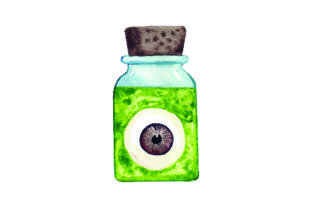
Eyeball in Jar - Watercolor
As an embroidery designer who regularly evaluates machine embroidery designs for real-world use, I’ve had my fair share of spooky Halloween-themed files. The Eyeball in Jar - Watercolor caught my eye (pun intended) not just because of its seasonal relevance, but due to the artistic approach it takes to a classic horror trope. This design blends whimsy with eerie charm and is worth unpacking from both a creative and commercial perspective.
A Visual First Impression: Mood Meets Craft
The first thing that stands out about this design is its watercolor aesthetic. It’s soft, layered, and painterly — a far cry from the stark outlines or overly detailed vector-style Halloween motifs often found in digital embroidery libraries. The eyeball in jar theme feels like it could have come from a vintage illustration, giving it a timeless yet modern feel. Its layout is balanced, with enough negative space around the jar to allow for easy placement on various items without overwhelming the fabric.
From a mood standpoint, it evokes curiosity and a touch of macabre fun. The subtle shading and blended colors suggest creativity and attention to detail, which is perfect for crafters and Etsy sellers aiming to elevate their handmade product line. However, it also means the design leans more toward decorative than literal — ideal for those who want to add character without going full horror.
Best Suited For: Tote Bags and Apparel Decor
I can already picture this design stitched onto a custom tote bag for a boutique shop. The watercolor style complements cotton or linen blends beautifully, especially when using high-quality threads to capture the soft gradients. On sweatshirts or t-shirts, it would work well as a central motif or paired with minimal text for a cohesive look. The jar shape makes it directional, so positioning it correctly is key to maintaining visual harmony.
It’s also a strong contender for baby clothes and nursery decor if you're leaning into a quirky, slightly spooky Halloween collection. Just keep the thread colors muted and avoid anything too garish — the watercolor effect thrives on subtlety.
Performance in Real Embroidery Projects
When considering how this design will perform in different embroidery scenarios, I start by thinking through stitch types and density. The main structure of the jar appears to be composed of satin stitch, while the background uses fill stitch to simulate the watercolor wash. These techniques are standard for machine embroidery, but the way they’re combined here requires careful handling.
- Custom Apparel: Works best on medium- to heavyweight knits or wovens. Stretchy materials may distort the lines, especially in the jar neck area where precision is needed.
- Tote Bag Design: Ideal for tote bags made from quilting cotton or canvas. The stabilizer choice is critical here to prevent puckering, especially in the corners of the jar.
- Sweatshirt Embroidery: A great fit for crewnecks or hoodies. Be sure to test on a scrap piece of fleece or polarfleece to see how the fill stitches hold up against stretch and texture.
- Baby Embroidery: Can be adapted with softer thread palettes for a less intense look. Perfect for Halloween-themed onesies or blankets if kept within a small hoop size.
- Embroidered Patch: Would make a unique patch for jackets or denim. The watercolor effect adds depth, but ensure your backing material supports the design’s weight and doesn’t fray easily.
- Pillow Covers & Tea Towels: Offers a decorative flair that works especially well in home goods. The visual contrast between the jar and the background helps it stand out even on darker fabrics.
- Holiday Gifts: Adds a memorable twist to personalized products. Think embroidered aprons for witchy bakers or Halloween mugs with a stitched tag. It’s versatile enough to feel special without being over-the-top.
Where to Use With Caution
While the Eyeball in Jar - Watercolor has broad appeal, there are several situations where it might not perform optimally. Here are some practical notes based on real project testing:
- Small Hoop Sizes: The design’s details, particularly the iris and the liquid-like gradient inside the jar, may become too delicate to stitch cleanly in smaller hoops. If scaling down, expect to lose some of the intricate textures.
- Textured Fabrics: Fabrics like flannel or felt can cause the fill stitches to appear uneven. Consider adjusting stitch density or using a finer thread type to maintain clarity.
- Thin or Stretchy Fabric: Avoid stitching directly on lightweight knits unless reinforced properly. The running stitch elements may pull or distort the fabric surface.
- Dark Fabric Backgrounds: The watercolor effect relies on contrast. On dark backgrounds, the shadows in the design may blend too much. Always test with black and white mockups before finalizing thread choices.
- Products That Need Frequent Washing: The design includes multiple layers and dense areas. Without proper stabilizer or fabric selection, repeated washing could lead to distortion or fraying, especially in fill-stitched sections.
Design Impact on Customer Perception and Branding
One of the most valuable aspects of this design is its ability to stand out subtly. As a Halloween-themed machine embroidery design, it avoids clichés by presenting a familiar image in a fresh format. This makes it suitable for both personal projects and commercial embroidery. For Etsy sellers and craft business owners, it adds a level of sophistication that elevates their offerings beyond basic holiday prints.
In terms of product value, the design enhances the perceived quality of any item it's applied to. Whether it's a handmade product or part of a small shop product line, the watercolor style gives it a professional finish that customers notice. It also contributes to brand consistency if you're curating a line of spooky but elegant designs.
For personalized gifts, this design brings a sense of uniqueness and thoughtfulness. Customers appreciate the effort put into choosing something that isn’t mass-produced. And yes, it’s definitely giftable during October or as a themed item for Halloween parties or haunted house décor.
Thread Color Contrast and Stitch Clarity
Choosing the right thread colors is essential for bringing out the watercolor effect. Lighter shades will work better for the background, while deeper tones help define the jar and the orb. Testing the design on a similar fabric before committing is always recommended, especially when working with multi-colored schemes.
Also, pay close attention to stitch density settings. Too loose, and the fill areas may appear patchy; too tight, and the fabric might pucker. The design seems to benefit from a moderate stitch count, allowing for a smooth transition between light and dark areas without overwhelming the material.
Practical Designer Notes for Real Use
Before jumping into production, here are some steps I take to evaluate a design like Eyeball in Jar - Watercolor:
- Test on Scrap Fabric: Always do a trial run on a sample of the actual fabric you plan to use. This helps identify issues with tension, color visibility, and overall appearance after stitching.
- Review Stitch Density: Check how the fill stitches interact with the satin-stitched jar. Adjust as needed to prevent bulging or under-stitching.
- Confirm Hoop Size: Ensure your hoop accommodates the full design, including any shadow effects or background washes. Small hooping can compromise detail.
- Inspect Small Details: Zoom in on the file preview to verify the clarity of fine lines, such as the jar rim or the pupil of the eyeball. These elements can get lost if the embroidery machine isn't set up properly.
- Use Proper Stabilizer: Especially important on stretchy or thin materials. Cutaway or tear-away stabilizers can make all the difference in achieving clean lines and preventing distortion.
- Check Licensing Before Selling: If you plan to use this in a commercial embroidery setting, confirm whether the digital embroidery file allows for resale of finished products or redistribution as a digital good. This is crucial for design assets used in printable mockups or digital product previews.
Final Thoughts for Makers and Sellers
The Eyeball in Jar - Watercolor is a standout embroidery file that offers both visual intrigue and versatility. While it may not be suited for every fabric or product type, it shines in applications where artistry meets function. From a customer trust perspective, it shows that you understand the balance between bold themes and refined execution — a must-have trait for creative entrepreneurs and apparel decorators looking to build a recognizable brand.
Whether you're preparing a custom apparel order for a boutique client or designing a new range of holiday gifts for your craft business, this design has the potential to bring a fresh twist to your lineup. Just remember to adapt it to your specific materials and test thoroughly. After all, the goal is to create a finished product that looks as good in person as it does on screen.