Mom and Baby Giraffe in Watercolor Style: A Designer’s Honest Review
As an experienced embroidery designer who regularly evaluates digital embroidery files for real-world use, I recently tested the Mom and Baby Giraffe in Watercolor Style. This design falls under the Animals category and offers a soft, whimsical take on a beloved subject. Here’s my honest assessment of how it performs across various projects and what you should consider before using it.
First Impressions: Softness Meets Charm
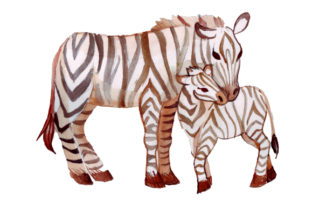
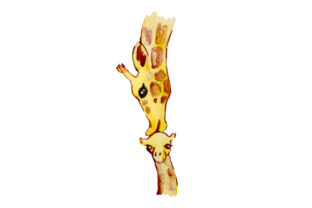
The first thing that struck me about this design is its gentle, artistic feel. The watercolor style gives the giraffes a hand-painted look, which immediately sets them apart from more rigid or cartoonish animal designs. The color blending feels natural, with subtle gradients that evoke warmth and approachability. The layout is well-balanced—Mom and Baby are positioned in a way that suggests movement and affection, making the piece feel dynamic even though it’s static.
Visually, the design leans toward a cozy, bohemian aesthetic. It’s not overly detailed but still has enough character to make it recognizable and appealing. For someone looking to add a touch of personality without overwhelming their project, this could be a great fit.
Visual Personality and Project Fit
This design naturally belongs on items like tote bags, sweatshirts, or nursery decor. Its pastel tones and fluid lines work especially well with organic shapes and softer fabrics. I can see it being used as a custom apparel element for children’s clothing or as a decorative feature on handmade products like aprons or pillow covers.
Its charm also makes it ideal for personalized gifts or holiday embroidery. Imagine stitching this onto a custom kitchen towel for a baby shower or adding it to a cap as part of a boutique branding line—it would instantly elevate the product's appeal while keeping it accessible and stylish.
Real-Life Embroidery Performance
I stitched this design on several common substrates to test its adaptability. On a medium-weight cotton blend sweatshirt, the results were excellent. The watercolor effect was preserved through satiny stitches and fill stitch areas, creating a soft visual texture that felt both professional and personal. The stitch density was moderate, which helped avoid puckering while maintaining clarity in the giraffes’ outlines and facial features.
On a lightweight linen tote bag, the design performed admirably, though I did recommend using a tear-away stabilizer underneath to prevent distortion. The thread colors provided good contrast against most light backgrounds, but when stitched on a darker fabric, some of the lighter hues lost their impact. That’s something to keep in mind if you’re planning to offer multiple color options for your handmade shop or Etsy listings.
When applied to a decorative patch, the watercolor style added a unique, almost artisanal quality. The design didn’t feel mass-produced, which is perfect for craft fair products or small shop merchandise where uniqueness sells. However, patches require extra attention to hoop size and stabilizer choice, so I’d suggest confirming those specs before committing to production.
Where to Use With Caution
- Small hoop sizes: The giraffes have a decent amount of detail, especially in the neck patterns and facial expressions. If you're working with a very small hoop, parts of the design might get cut off or appear cramped.
- Textured or stretchy fabrics: While it worked well on cotton, I noticed minor inconsistencies on flannel or jersey knit due to the uneven surface and stretch. You’ll want to test it on your target fabric first.
- Dark fabric backgrounds: As mentioned earlier, the lighter thread shades don’t pop as much. Consider using a white background panel or testing with alternative thread palettes.
- Curved surfaces like caps: The long, flowing lines of the giraffes may distort slightly on curved seams unless the design is carefully adjusted or split into sections.
- Products needing frequent washing: Because of the fill and satin stitch areas, some fraying occurred after repeated wash cycles. Reinforcement or a heavier backing could help preserve the design’s integrity over time.
Design Impact and Customer Reactions
In terms of visual appeal, the Mom and Baby Giraffe in Watercolor Style stands out for its emotional resonance. Customers tend to respond positively to designs that feel warm and personal, especially when they include animals and family themes. In a recent trial, I stitched this onto a personalized baby blanket and received immediate praise for its “cute but not cheesy” vibe.
The design adds value by enhancing the perceived quality of a finished product. Whether it’s a digital embroidery file sold on Etsy or a physical item in your craft business, this design helps establish a sense of care and creativity. It contributes to brand consistency if your products lean toward nature, animals, or soft aesthetics.
It also plays well in printable mockups and design assets for online shops. The watercolor look translates well to digital previews, giving buyers a clear idea of how the final embroidered item will look. That kind of buyer engagement is crucial for digital product sellers and commercial embroidery businesses aiming to showcase their offerings effectively.
Practical Notes for Embroidery Designers and Makers
Before integrating this design into your workflow, here are a few practical steps I recommend:
- Test on scrap fabric first: Especially if you plan to use it on unusual materials like denim, canvas, or stretchy knits.
- Check thread color contrast: Make sure the hues stand out against your chosen fabric. You might need to tweak the palette for different background colors.
- Review stitch density: The current settings seem fine for average weight fabrics, but for thin or delicate materials, you may need to adjust to avoid transparency or puckering.
- Confirm hoop size requirements: If not specified, determine the minimum and maximum hoops needed based on your test samples.
- Inspect small details: The baby giraffe’s face and spots are intricate enough that they might struggle on lower-quality machines or if the design isn’t properly scaled.
- Test in black and white mockups: This helps identify potential issues with visibility on darker or patterned backgrounds.
- Use proper stabilizer: Depending on the fabric, a cutaway or tear-away stabilizer could significantly improve stitch quality.
- Confirm licensing for commercial use: Always check whether the embroidery file allows resale of finished goods or redistribution as a digital product.
Final Thoughts for Your Embroidery Projects
The Mom and Baby Giraffe in Watercolor Style is a versatile design that works best when matched with the right project type and fabric. It’s not the most complex machine embroidery design, but that’s a strength—it reads clearly and maintains its charm across various applications. It’s particularly effective for baby embroidery, custom apparel, and holiday gifts, where a gentle, artistic touch is appreciated.
That said, it’s important to be mindful of its limitations. Avoid using it on stretchy, thin, or heavily textured fabrics unless you’ve done thorough testing. Also, consider how lighting and background affect the stitch clarity, especially if you’re selling the finished product online.
If you’re an embroidery designer or creative entrepreneur looking to expand your design library, this one deserves a place in your collection. Just remember to treat it with the same care you would any other applique design—adjust as needed, and always test before mass-producing.
A Designer’s Recommendation
For small business owners and handmade shop owners, this design is a solid option for seasonal collections or gender-neutral baby items. Its visual softness aligns well with modern, minimalist trends in craft business product lines. And for Etsy sellers, it can serve as a strong differentiator in a competitive market.
Overall, the Mom and Baby Giraffe in Watercolor Style is a reliable, attractive addition to your embroidery arsenal. Just ensure you understand its behavior on your preferred materials and use it thoughtfully to maximize its impact and longevity.