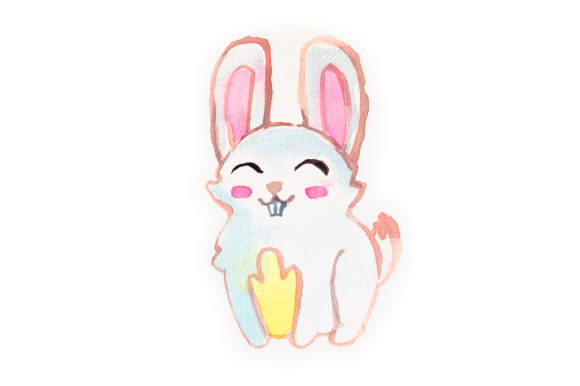
Watercolor Bunny: A Versatile Graphic Design Asset for Animal-Focused Content
The moment I laid eyes on Watercolor Bunny, it was clear this design asset is more than just a cute animal illustration. It carries an artistic and editorial weight that can elevate the visual appeal of content marketing projects, especially those targeting lifestyle, creative, or educational niches. With its soft textures and gentle color palette, Watercolor Bunny exudes a sense of warmth and approachability—qualities that resonate well with modern audiences seeking authenticity in digital publishing.
Editorial Mood and Niche Fit
Watercolor Bunny sets a distinct editorial tone. Its watercolor aesthetic evokes a handmade, artisanal vibe that feels both whimsical and refined. This makes it ideal for blogs and websites focused on wellness, mindfulness, nature, children's content, or even seasonal themes like Easter or springtime. The bunny itself, as part of the Animals category, brings a universal element of innocence and charm that can subtly reinforce a brand’s personality without being overtly childish.
I found myself imagining how this could work in various content scenarios. For instance, pairing it with a blog post titled “5 Simple Spring Cleaning Hacks” would create a harmonious visual bridge between the season and the message. It also has the potential to soften the look of an otherwise technical article when used as a decorative accent, such as in sidebars or call-out boxes.
Real Publishing Use Cases
One of the first places I considered using Watercolor Bunny was in featured images for blog posts. As a blog designer, I know that the first image your reader sees can make or break their interest. The bunny’s soft lines and pastel tones add a touch of creativity without overwhelming the text, which helps maintain a strong visual hierarchy.
On Pinterest, where visuals are everything, this graphic could serve as the focal point of a pin. When placed alongside a bold headline in a contrasting color, it creates a compelling composition that encourages clicks. Whether it's part of a Canva template or layered into a custom design, Watercolor Bunny adds an instant layer of professional polish.
- Website Banners: Perfect for landing pages or category headers, especially if you're curating animal-themed content or offering digital downloads related to nature.
- Newsletter Headers: A subtle addition to a newsletter banner can make your publication feel more personal and visually engaging.
- Digital Guides and Lead Magnets: Ideal for educational resources like printable guides, worksheets, or digital product covers. It signals thoughtfulness and care in design.
- Social Media Previews: From Instagram stories to Facebook posts, this graphic fits seamlessly into platforms where eye-catching thumbnails matter most.
- Media Kits: If you're building a media kit for guest bloggers or affiliate partners, Watercolor Bunny can be used as a recurring motif to build brand identity and recognition.
Supporting Content Performance
Incorporating Watercolor Bunny into your web design toolkit can significantly boost content performance. Its delicate yet expressive style helps create stronger first impressions by aligning with the emotional tone of your message. On content-heavy pages, it acts as a visual anchor, breaking up long blocks of text and guiding the reader through your material with ease.
This asset supports clearer visual hierarchy by drawing attention to key sections of a page without competing with the main content. Its presence in blog graphics and website headers can lead to better click-through potential, particularly when used consistently across your site to reinforce brand identity. Readers begin to associate the bunny with quality and reliability, which improves trust and engagement over time.
Where It Shines Best
Watercolor Bunny truly comes into its own in hero images, article thumbnails, and editorial accents. These are high-impact areas where a polished, clickable image can drive traffic and increase dwell time. It also works beautifully in downloadable resources, adding a handcrafted feel to printables, digital guides, and lead magnets. The same goes for Canva templates, where it can be easily resized and recolored to match different branding styles.
For online educators or small business owners who want to infuse a bit of personality into their digital products, this design asset offers a perfect balance between playful and professional. It’s not too literal, so it doesn’t restrict your messaging, but still conveys a thematic connection to animals and nature when appropriate.
Use with Caution
While Watercolor Bunny is undeniably charming, there are situations where it may not be the best fit. In small mobile thumbnails, the intricate details might get lost, making it less effective as a standalone image. Similarly, in text-heavy blog images, the bunny could become a distraction rather than a complement.
If your brand relies on a very minimal visual system or targets serious professional niches—like legal, financial, or corporate consulting—the bunny’s whimsical nature may not align with your tone. Always consider the context and audience before placing it on low-contrast backgrounds or within busy layouts, as it could blend in instead of standing out.
Publisher Notes for Real-World Application
Before integrating Watercolor Bunny into your next project, take some practical steps to ensure it performs well across all platforms:
- Test on Desktop and Mobile Screens: Check how it scales and retains clarity at different sizes.
- Thumbnail Preview: See if it holds up as a thumbnail for articles or social media posts.
- Blog Layout Integration: Place it inside a real blog layout to evaluate spacing, alignment, and overall flow.
- Headline Pairing: Try it with different headline styles—serif, sans serif, script, handwritten, display fonts—to find the most complementary match.
- Contrast and Readability: Ensure it doesn’t interfere with readability, especially if overlaid with text.
- Black and White Testing: Sometimes, grayscale versions of illustrations reveal unexpected strengths or weaknesses.
- File Size Optimization: Compress the image properly to maintain fast loading times on your website or in email campaigns.
- Commercial Licensing: Confirm that you have the right commercial license to use it on monetized sites, affiliate pages, or paid content products.
Branding and Consistency
As a digital publisher, consistency in brand identity is crucial. Watercolor Bunny can act as a signature element in your editorial design strategy. Used repeatedly in website headers, newsletter banners, and social media previews, it helps establish a cohesive visual language that readers recognize and remember.
When paired with other similar assets from the Animals category, it can support a broader theme, such as a series of blog posts about pet care or wildlife conservation. The key is to treat it not as a one-off graphic, but as part of a larger creative ecosystem that enhances your content marketing efforts.
Final Thoughts for Creative Publishers
Watercolor Bunny is a standout graphic design asset for anyone looking to inject a bit of softness and creativity into their content publishing work. It supports modern design principles while maintaining an organic, hand-drawn feel that many brands are now gravitating toward. Whether you’re designing a blog header, crafting a lead magnet, or building a Canva template, this bunny brings a level of detail and emotion that can't be ignored.
Remember to always preview it in action—within your actual web design, blog layouts, and social media grids. That’s the only way to see how it truly functions as part of your visual storytelling. And don’t forget to verify commercial licensing if you plan to use it in any revenue-generating context. Done right, Watercolor Bunny can become a quiet but powerful ally in your quest for more engaging, trustworthy, and aesthetically pleasing content pages.