Golden Retriever - Watercolor Embroidery Design Review
As a designer and embroidery product reviewer with years of hands-on experience, I approach every new digital embroidery file with a critical eye. When I first opened the Golden Retriever - Watercolor design in my software, I knew it would be worth exploring further. This design doesn’t just look nice on screen—it carries a soft, artistic energy that feels like it could translate well into real-life projects. But does it hold up when stitched? Let’s break it down.
A Visual First Impression: Softness Meets Personality
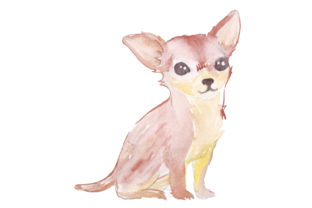
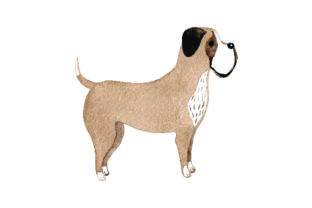
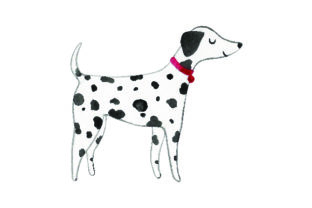
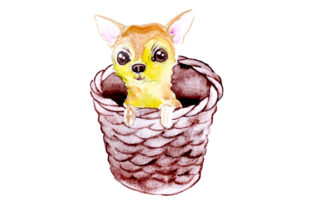
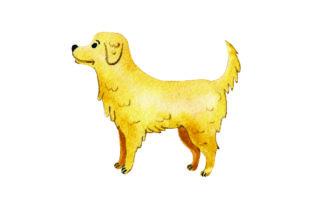
The moment you see Golden Retriever - Watercolor, you’re greeted by its gentle aesthetic. The watercolor effect gives the dog a dreamy, painterly feel—something that immediately suggests warmth, love, and a connection to nature. It’s not a hyper-detailed, photo-realistic portrait, but rather a stylized interpretation that captures the essence of a Golden Retriever with charm and grace.
This kind of visual personality is perfect for handmade products or anything that needs to convey a sense of care and creativity. Think cozy sweatshirts, personalized baby clothes, or even holiday gifts where the design can speak volumes about your brand or craft. It’s not over-the-top, which means it won’t clash with other elements in your project, making it a versatile addition to your design library.
Design Layout and Detail Level
The layout is balanced, with the dog positioned in a way that allows for easy resizing and placement. There are no overly intricate sections that might cause stitch issues, but enough detail to keep the subject recognizable and appealing. The use of fill stitches mimics brush strokes beautifully, while the outlines maintain a clean structure without being too rigid.
I appreciate how the artist managed to give the piece a sense of depth without relying on heavy stitch coverage. This makes it ideal for sweatshirt embroidery or tote bag designs where texture and drape matter. The subtle shading also helps the design pop more than a flat-color version would, especially on lighter fabrics.
Real-World Stitching Performance
When testing Golden Retriever - Watercolor on fabric, I noticed that the design holds its shape and color balance well across different materials. On cotton blends, the watercolor effect really shines, with smooth transitions between thread colors and minimal distortion. However, on stretchier or thinner fabrics, such as rayon or silk, some details may lose their crispness if not properly stabilized.
For custom apparel, this design works best when given adequate space. A 6x8 inch hoop size seems optimal for maintaining clarity, though I’d recommend checking the specific dimensions provided by the seller before finalizing your setup. If you’re an Etsy seller or part of a small shop product line, consider using this design on items like embroidered patches or aprons, where the soft edges and artistic feel will stand out.
In nursery decor or personalized baby items, the watercolor style adds a touch of elegance that parents often seek. The design isn’t too loud, yet it carries enough character to make a statement. It pairs well with simple typography or minimalist logos, offering a cohesive look that appeals to those who value aesthetics in handmade goods.
Thread Color Considerations
One of the strengths of Golden Retriever - Watercolor is its thoughtful use of thread colors. The palette includes warm golds, soft browns, and cool whites to create the illusion of light and shadow. That said, if you plan to use it on darker backgrounds, the contrast might reduce the impact. Always test the design on a scrap piece of your intended fabric to see how the colors render in person.
Using a black and white mockup can help you assess whether the design will still be legible and attractive after stitching. I found that the key features—like the eyes and fur texture—remain visible even when printed in grayscale, which is a big plus for digital product previews or printable mockups meant for clients or customers.
Where to Use With Care
While Golden Retriever - Watercolor is a solid choice for many applications, there are scenarios where it requires attention:
- Small hoop sizes: The design has delicate areas that may get lost if scaled too small. Aim for at least a 5x7 inch hoop for better results.
- Textured fabrics: Materials like denim or canvas may alter the soft appearance of the watercolor effect. Try stabilizing with tear-away or cutaway stabilizer depending on the garment type.
- Stretchy or thin fabric: These can cause misregistration or puckering, especially in dense stitch areas. Test thoroughly before mass production.
- Curved surfaces (e.g., caps): The design is best suited for flat areas. Curved placements may require careful adjustment or risk distorting the overall look.
- Products needing frequent washing: High-density stitching or certain thread types may fade faster. Choose quality threads and avoid over-stitching in sensitive areas.
If you're working on holiday gifts or commercial embroidery items, these factors become even more important. A misstep in stitch density or fabric choice can lead to a finished product that looks less professional or fails to meet customer expectations.
Customer Reaction and Giftability
From a buyer's perspective, this design screams “thoughtful” and “cute.” As a personalized gift, it brings a level of sophistication that elevates your work from generic to memorable. Parents, pet lovers, and boutique shoppers tend to gravitate toward artful, expressive designs, and Golden Retriever - Watercolor definitely fits that bill.
What’s interesting is how it maintains professionalism while feeling personal. For an apparel decorator or craft business owner, this balance is crucial. You want to appeal to a wide audience without sacrificing the uniqueness of your design assets.
Practical Designer Notes for Real Projects
Before integrating Golden Retriever - Watercolor into your workflow, here are a few tips I’ve learned through trial and error:
- Test on scrap fabric first: Especially if you’re planning to scale the design or place it on unusual materials.
- Check thread color contrast: Ensure the chosen thread colors complement your fabric background and enhance the watercolor look.
- Review stitch density: Adjust settings based on fabric weight and desired outcome. Too dense and it loses the softness; too sparse and it becomes flat.
- Confirm hoop size: Don’t assume it’ll fit perfectly in any hoop. Resize carefully and ensure all elements remain intact.
- Inspect small details: Look for areas with fine lines or gradients. These are the first places where issues may appear if not handled correctly.
- Use proper stabilizer: Depending on the fabric, choose between wash-away, tear-away, or cutaway to prevent shifting or puckering.
- Test in black and white: Helps determine if the design will still work on dark-colored garments or under monochrome branding.
- Compare light and dark fabric backgrounds: See how the design adapts and decide which versions offer the most visual appeal.
- Check commercial compatibility: If you're an embroidery product reviewer or digital product seller, confirm whether the design is suitable for resale or commercial embroidery use.
- Verify licensing terms: Always read the fine print. Some files come with restrictions, so double-check before adding them to your Etsy listings or selling finished products.
Final Thoughts for Crafters and Makers
Golden Retriever - Watercolor is a standout design in the Dogs category, particularly for those looking to blend artistry with functionality. Its muted tones and fluid shapes make it a great match for lifestyle-oriented handmade products, including tote bags, pillow covers, and even kitchen towels with a seasonal twist.
But don’t take my word for it—experiment with it yourself. Whether you're a hobbyist or a seasoned creative entrepreneur, understanding how a design behaves in the real world is what sets apart a good idea from a great finished product.
Overall, this design enhances visual appeal, supports brand consistency, and offers a unique angle for embroidery projects that stand out in today’s competitive craft market. Just remember to stitch smart, stabilize wisely, and always check the license—because in the world of embroidery, attention to detail is everything.