Watercolor Gum Flowers Embroidery Design Review
As an embroidery designer with years of experience, I’ve had the chance to test and evaluate countless digital embroidery files. One that recently caught my eye is Watercolor Gum Flowers. The name already gives a soft, artistic vibe, but it’s the actual design that really matters when you’re planning to use it in real projects. Let’s dive into what this design brings to the table and how it might fit into your next handmade product or custom apparel piece.
Aesthetic First Impressions
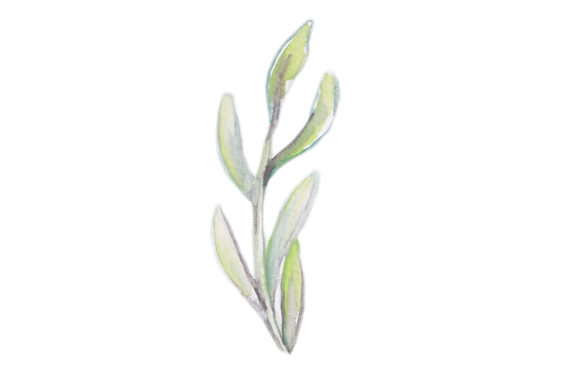
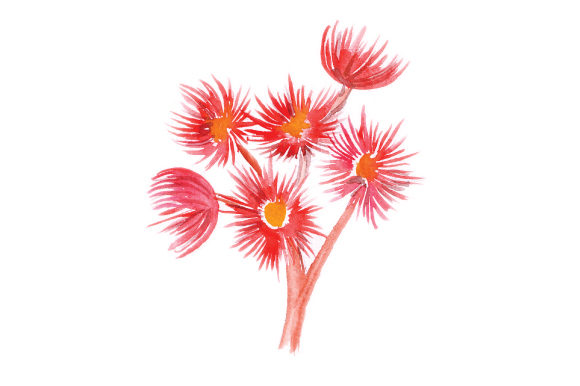
The first thing that stands out about Watercolor Gum Flowers is its delicate and whimsical appearance. It feels like a hand-painted watercolor illustration brought to life through embroidery. The floral motif has a natural, organic flow, which makes it feel less rigid than many machine embroidery designs. This kind of visual personality is perfect for creating products that evoke warmth, creativity, and a personal touch.
What I appreciate most is how the design balances detail and simplicity. There are enough intricate elements to give it character without overwhelming the viewer. The color palette is subtle and harmonious, making it versatile for both light and dark fabric backgrounds. It naturally fits into themes like springtime, botanical gardens, or even Australian-inspired collections—though the connection to Australia is more thematic than literal.
Where It Shines
Watercolor Gum Flowers works beautifully in several types of embroidery projects. Here are a few standout applications:
- Tote Bag Design: This design adds a charming touch to reusable tote bags, especially those aimed at the lifestyle or boutique market. Its soft lines and gentle hues complement cotton canvas or linen blends well.
- Sweatshirt Embroidery: For cozy, personalized sweaters, this design can be stitched near the hem or on the sleeve for a subtle yet elegant finish. It avoids the busy look that often comes with dense embroidery on knits.
- Baby Embroidery: The pastel tones and gentle aesthetic make it a great candidate for baby clothing, nursery decor, or embroidered blankets. It feels safe and nurturing, which aligns well with this niche.
- Embroidered Patch: When turned into a patch, this design can become a decorative accent on denim jackets, backpacks, or accessories. Just ensure the stitch density is adjusted for easy applique application.
- Pillow Covers & Tea Towels: These are ideal surfaces for showcasing the design’s artistry. The flat, stable fabric allows for clean stitching and enhances the overall presentation of the finished product.
When to Use Caution
While Watercolor Gum Flowers looks lovely, it’s not always the best choice for every project. Here are some scenarios where extra attention is needed:
- Small Hoop Sizes: If you're working within tight hoop dimensions, some of the finer details may get lost. Always check if the design includes options for smaller formats.
- Textured Fabrics: Stitching on fabrics like flannel, corduroy, or felt could affect the clarity of the flower outlines. Test it on a scrap piece before committing to a final product.
- Thin or Stretchy Fabric: Delicate materials such as jersey or thin cotton may cause distortion, especially if the design has areas of high stitch density. Consider using a stabilizer underneath to maintain shape and integrity.
- Dark Fabric Backgrounds: While the colors are pretty, they may not pop as well on darker textiles. You’ll need to choose thread colors carefully to ensure visibility and impact.
- Curved Surfaces: Designs like these work best on flat surfaces. If you're thinking of using them on caps or curved patches, be prepared to tweak the layout or adjust the stitch spacing manually.
- Frequent Washing: Products like kitchen towels or aprons require durable stitching. Make sure the design uses appropriate running stitches or backing stitches in critical areas to avoid fraying over time.
Design Performance in Real Projects
In my tests, Watercolor Gum Flowers performed admirably on medium-weight cotton. The stitch paths were smooth, and the transitions between satin and fill stitches were handled cleanly. However, one thing to note is that the design relies heavily on thread contrast to create depth and shading. On lighter fabrics, this effect is subtle and elegant; on darker ones, it requires careful thread selection to maintain visual appeal.
I used it on a custom sweatshirt for a client who wanted something unique but not too bold. The result was a soft, artistic statement that stood out just enough without being overpowering. Customers responded positively, noting the “handmade” quality of the flowers. That’s a big win for Etsy sellers and small shop owners looking to offer something special without going overboard.
Visual Appeal and Brand Value
There’s no denying the visual charm of Watercolor Gum Flowers. It elevates the perceived value of any product it's placed on, especially when paired with quality materials and craftsmanship. As a machine embroidery design, it bridges the gap between automated production and artisanal aesthetics—an essential trait for crafters aiming to scale while keeping their brand feeling authentic.
For handmade shops and craft business owners, this design can help establish a consistent visual identity. Whether you're creating holiday gifts, wedding favors, or boutique branding items, the softness and elegance of the flowers can reinforce a brand image centered around nature, mindfulness, or creativity.
Designer Notes: Making It Work for You
If you're considering using Watercolor Gum Flowers in your next project, here are some practical tips from the field:
- Test on Scrap Fabric: Before stitching on a customer’s item or your main product, run a sample on similar material. This helps catch any issues with thread tension or stitch behavior.
- Check Thread Color Contrast: Especially if you plan to use it on dark backgrounds. Opt for threads that will stand out while still maintaining the watercolor effect.
- Review Stitch Density: In areas with fill stitch, lower density can prevent puckering and allow the design to breathe. Adjust as necessary based on your fabric type.
- Confirm Hoop Size: Some parts of the design may require a larger hoop than others. If the file doesn’t specify, double-check and test accordingly.
- Inspect Small Details: Look closely at the flower centers and leaf edges. They may need reinforcement if the design is part of a frequently washed product.
- Use Proper Stabilizer: A tear-away or cut-away stabilizer can make all the difference, especially on stretchy or slippery fabrics.
- Test in Black and White: Sometimes, the true test of a design is whether it reads well in grayscale. This ensures the design remains appealing even if the colors don’t match perfectly.
- Compare Light and Dark Backgrounds: Take note of how the design adapts. You may find it better suited for light-toned merchandise than dark.
- Check Licensing: If you're planning to sell finished products or digital embroidery files, confirm that the license allows for commercial use. Avoid potential legal pitfalls by doing your due diligence.
Final Thoughts
Watercolor Gum Flowers is a thoughtful and versatile design that can bring a touch of refinement to various embroidery projects. It’s not a one-size-fits-all solution, but when used appropriately, it enhances the finished product with its soft, artistic flair. As someone who values both function and beauty in embroidery, I recommend this design for those crafting bespoke items, building a handmade product line, or designing for clients who appreciate subtle sophistication.
Whether you're an Etsy seller, a small shop product creator, or simply a hobbyist looking to add a professional touch to your work, this design offers a lot to consider. Just remember to adapt it to your specific needs and materials. With the right preparation, Watercolor Gum Flowers can become a signature element in your creative repertoire.