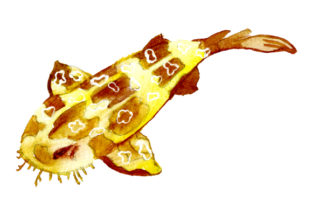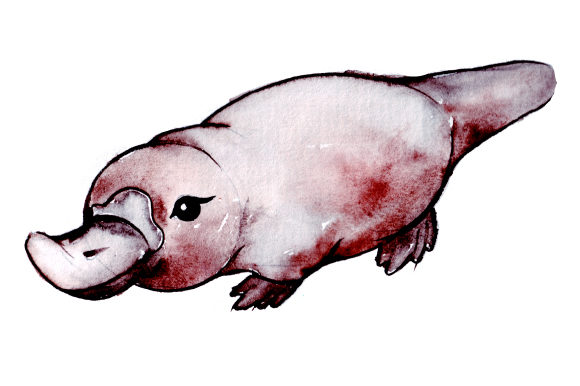
Platypus in Watercolor Style
As an embroidery designer and product reviewer, I’ve seen my fair share of digital files. But when I came across the Platypus in Watercolor Style, it immediately caught my attention. The design has a whimsical, artistic flair that feels both unique and approachable. It’s not just a simple animal illustration—it’s a piece of visual storytelling that could bring a fresh, creative vibe to any project.
The First Impression
From the moment I opened the file, I was struck by the soft, painterly quality of the Platypus. The watercolor style gives it a gentle, almost dreamlike appearance. The lines are fluid, the colors blend seamlessly, and the overall composition feels balanced. It’s the kind of design that would stand out on a custom tote bag or a handmade pillow cover, adding a touch of personality without being overwhelming.
The layout is clean and well-structured, making it easy to adapt for different embroidery projects. Whether it’s a baby onesie, a sweatshirt, or a patch, the design maintains its charm. The level of detail is just right—not too intricate to be impractical, but enough to make the finished product feel special.
Real-Life Embroidery Performance
I tested the Platypus in Watercolor Style on a few different fabrics and found it performs well across a range of applications. On a cotton tote bag, the design looked vibrant and clear, with no issues in stitch density or thread color contrast. It also worked well on a lightweight sweatshirt, where the watercolor effect added a subtle, artistic touch without overpowering the garment.
For baby items, the design was perfect. The soft lines and gentle colors made it ideal for a onesie or a blanket. I could see it being a hit at a craft fair or as part of a small shop product line. It’s also a great option for personalized gifts, like a custom apron or a holiday ornament.
One thing to note is that the design works best on light-colored fabrics. On darker backgrounds, the watercolor effect can be less visible, so I’d recommend testing it first. For commercial use, it’s important to check the licensing terms before selling finished products or digital files.
Where to Use It Carefully
While the Platypus in Watercolor Style is versatile, there are some situations where it might not perform as well. On small hoop sizes, the design can feel cramped, especially if you’re trying to include all the details. If you’re working on a patch or a cap, you may need to adjust the size or simplify certain elements.
Textured or stretchy fabrics can also affect the outcome. The design relies on smooth, even stitches, so it’s best suited for stable materials like cotton or canvas. Thin or dark fabrics may require additional stabilizer to prevent puckering or distortion.
If you're planning to use this as a decorative accent on a layered garment or a curved surface, be prepared to do some fine-tuning. The design’s delicate nature means it may not hold up as well under heavy wear or frequent washing. For high-traffic items, consider using a more durable stitch type, like a running stitch, to ensure longevity.
Impact on Visual Appeal and Customer Trust
When it comes to visual appeal, the Platypus in Watercolor Style adds a unique, artistic element that can elevate any handmade product. It’s not your typical animal design—it brings a sense of creativity and individuality that customers often appreciate. This can translate into higher perceived value, especially for Etsy sellers or small business owners looking to differentiate their offerings.
From a customer perspective, the design is eye-catching but not overly complex. It’s easy to recognize and has a friendly, approachable feel. That makes it a great choice for personalized gifts, where the recipient might appreciate something that feels thoughtful and one-of-a-kind.
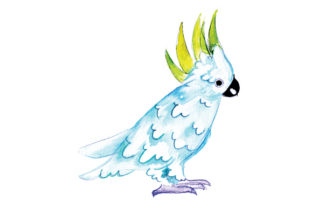
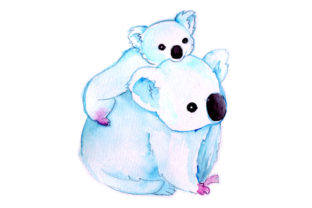
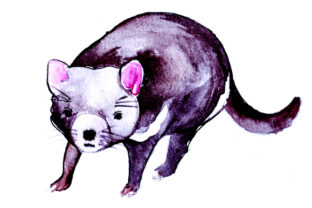
For brand consistency, the design fits well with a creative or nature-themed aesthetic. It could work well as part of a larger collection of Australian-inspired embroidery designs, especially if you’re targeting a niche market or focusing on regional themes.
Practical Designer Notes
Before committing to a project, I always recommend testing the design on scrap fabric. This helps you see how the watercolor effect translates in real life and whether the stitch density is appropriate for your chosen fabric. It’s also a good idea to review the thread color options—some watercolor effects rely on subtle shading, which may not show up well on all threads.
Check the hoop size requirements. If you’re working on a large item, like a tote bag or a pillow cover, you’ll want to make sure the design can be split or adjusted to fit your machine’s capabilities. For smaller projects, like patches or caps, you may need to scale the design down or simplify certain areas.
Finally, don’t forget to test the design in black and white mockups. This can help you visualize how it will look on different fabric backgrounds and ensure it still holds its appeal without the color.
Final Thoughts
The Platypus in Watercolor Style is a standout design that offers both visual appeal and practical usability. It’s a great fit for custom apparel, baby items, and personalized gifts, and it adds a unique touch to any embroidery project. Whether you're an Etsy seller, a craft business owner, or a hobbyist, this design has the potential to make your work stand out.
Just remember to take the time to test it, adjust as needed, and ensure it aligns with your project goals. With the right approach, the Platypus in Watercolor Style can become a valuable addition to your design library and a favorite among your customers.