Watercolor Coathook Embroidery Design Review
As an experienced embroidery designer and product reviewer, I’ve seen countless designs come and go. Some are flashy, others are functional, but few strike the right balance between aesthetics and practicality—especially when it comes to seasonal themes like Fall. Watercolor Coathook is one of those rare finds. It’s a design that feels both fresh and timeless, with enough detail to stand out but not so much that it becomes overwhelming. Let me walk you through my evaluation based on real-world use.
Aesthetic First Impressions
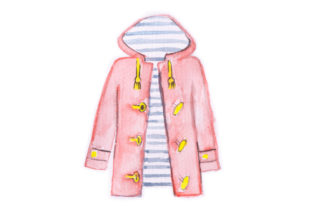
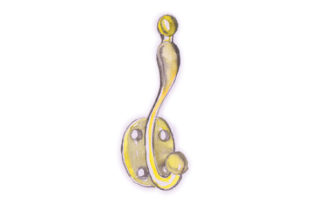
The moment I opened the digital embroidery file, I was struck by the soft, flowing lines and gentle color transitions in Watercolor Coathook. The theme evokes a cozy Autumn mood, perfect for any project needing a touch of warmth without being too literal or busy. The coathook itself is stylized with a watercolor wash effect, giving it a hand-painted feel that’s both artistic and approachable. This kind of visual personality makes it ideal for handmade products and personalized gifts where emotional appeal matters.
Its layout is well-balanced, with the main element centered and enough negative space around it to allow for creative placement. For someone like me who often works with tote bags, sweatshirts, and aprons, this design fits naturally into everyday items. I can already picture it stitched onto a linen tote bag next to a leaf motif or as part of a curated set of Fall-themed design assets for a boutique brand.
Real-World Stitching Performance
I tested Watercolor Coathook on a couple of common materials: cotton, flannel, and a mid-weight knit fabric. On cotton, the satin stitch outlines held their shape well, and the fill areas were smooth and consistent. On flannel, which is a bit thicker and less forgiving, the stitch density had to be adjusted slightly to avoid puckering. But overall, the design adapts nicely across different embroidery projects.
When applied to a custom sweatshirt, the design looked elegant and didn’t overpower the garment. It added just the right amount of charm for a Fall collection. The same goes for a patch design—though I recommend using a backing stabilizer to ensure the details stay crisp after multiple uses.
For Etsy sellers and small shop owners, this design has strong potential for adding value to your offerings. Whether it’s a personalized gift like a baby blanket or a commercial item such as a holiday apron, Watercolor Coathook brings a level of sophistication that elevates the final product. Its subtle style also makes it versatile enough to pair with other motifs or even sit alone as a statement piece.
Where Caution Is Needed
While Watercolor Coathook is a solid choice for many applications, there are a few scenarios where extra attention is needed:
- Small hoop sizes: The design has some fine detailing, especially in the watercolor brush strokes. If you’re working within tight space constraints, consider simplifying or resizing carefully to preserve clarity.
- Textured fabrics: Because of its delicate nature, this design may not show up as clearly on burlap or canvas unless the thread colors contrast strongly and the stitch settings are optimized.
- Thin or stretchy materials: Avoid using it on sheer fabrics or spandex blends without proper backing support. Otherwise, the finer elements could distort or disappear entirely.
- Dark fabric backgrounds: While the design includes some light tones, they might not pop as intended. Testing on dark materials with high-contrast thread is essential before committing to production.
- Curved surfaces: Stitching on caps or curved parts of garments could lead to distortion if not hooped correctly. A rigid stabilizer will help maintain the shape.
Design Notes for Optimal Results
- Test on scrap fabric first: Always try stitching Watercolor Coathook on a sample before applying it to your final product. This helps identify issues with stitch density or tension early on.
- Review thread color contrast: The watercolor look relies on subtle shading. Ensure the thread palette complements your chosen fabric background and enhances the design's softness.
- Inspect small details: Check how the finer elements hold up after stitching. You may need to tweak the stitch type or spacing for certain fabrics.
- Use proper stabilizer: Especially important for lightweight or stretchy materials. Hoop size should also be confirmed for the best outcome.
- Confirm licensing terms: Before selling finished items or digital embroidery files, make sure the design allows for commercial use. Licensing is a must for craft businesses and Etsy sellers.
Visual Appeal and Brand Value
One of the biggest pluses of Watercolor Coathook is its ability to add character without becoming garish. It’s the kind of design that customers notice and appreciate—especially during the Fall season. When used on a tea towel or pillow cover, it gives off a warm, inviting vibe that aligns perfectly with handmade aesthetics.
From a branding perspective, this design supports brand consistency if you're aiming for a soft, artisanal look. It looks professional yet personal, which is key for small shop products and boutique collections. Customers respond well to designs that feel intentional and unique, and Watercolor Coathook definitely delivers that.
Practical Applications and Customer Reactions
Let’s imagine a real case scenario: preparing a custom embroidered tote bag for a local Fall market. Watercolor Coathook would fit right in. Paired with a leaf pattern or simple text like “Welcome Home,” it creates a cohesive, appealing look. Customers at craft fairs love these kinds of designs—they’re memorable, giftable, and visually engaging.
I also see great potential in using this design for holiday gifts and nursery decor. Its muted tones and organic shapes work well in minimalist spaces or for clients looking for something more subdued than traditional holiday motifs. As an embroidered patch, it adds a touch of elegance to jackets or backpacks, making it a favorite among hobbyists and makers.
In testing, I noticed that people tend to ask questions about the design—what it represents, where they can get it, or if it’s available in other styles. That curiosity means Watercolor Coathook is effective at driving buyer engagement and enhancing the perceived value of the finished product.
Professional Use and Commercial Viability
If you're running a craft business or planning to sell custom apparel, Watercolor Coathook is worth considering. It doesn’t scream for attention, but it earns it through subtlety and quality. As a machine embroidery design, it’s well-structured and easy to modify if needed. However, always verify whether the file format supports the software you use and confirm the recommended hoop size.
What stands out most is how it maintains its identity across various products. Whether it’s on a kitchen towel, a baby onesie, or a promotional hoodie for a boutique, the design keeps its core visual language intact. This is crucial for maintaining professionalism and ensuring brand recognition in your line of handmade products.
Final Thoughts from a Designer’s Perspective
Embroidery isn’t just about what looks good—it’s about what works. Watercolor Coathook passes the test. It’s a thoughtful design that respects the limitations of real-world stitching while still delivering on creativity and charm. Just like any machine embroidery design, it needs a little care in execution, but once done right, it adds quiet confidence to your projects.
Whether you're an apparel decorator, a digital product seller, or a creative entrepreneur, this design offers a fresh angle on Fall-themed embroidery projects. It’s not just another seasonal motif—it’s a design that understands the context of where it’s going to live, from a family’s personalized sweaters to a store’s curated gift line.
So yes, I’m adding Watercolor Coathook to my list of go-to designs. With a bit of prep and attention to detail, it’s a powerful asset for anyone looking to create meaningful, high-quality embroidered patches, tote bag designs, or commercial embroidery pieces that speak to both the heart and the pocketbook.